
Digital medicine apps hold promise for the treatment and continuing care of patients with AUD because such systems can provide a widely accessible vehicle for both self-management and clinical monitoring7. However, there has been little research on the implementation of digital medicine technologies for AUD to reach populations that could benefit from early intervention5. A key, unanswered research question relates to the role of human support (e.g., medical providers, health coaches) in enhancing the effectiveness of digital medicine apps8,9,10. Alcohol is the most commonly used substance in the United States, with 84% of people 18 and older reporting lifetime use, according to data from the 2022 National Survey on Drug Use and Health.
What Increases the Risk for Alcohol Use Disorder?
To learn more about alcohol treatment options and search for quality care near you, please visit the NIAAA Alcohol Treatment Navigator. Because denial is common, you may feel like you don't have a problem with drinking. You might not recognize how much you drink or how many problems in your life are related to alcohol use. Listen to relatives, friends or co-workers when they ask you to examine your drinking habits or to seek help. Consider talking with someone who has had a problem with drinking but has stopped. https://ecosoberhouse.com/ can include periods of being drunk (alcohol intoxication) and symptoms of withdrawal.

Prevalence of Past-Year Alcohol Use Disorder (AUD)
On the other side, as we all know, pancreatitis is a potentially life-threatening condition for those people who either have it or are at risk for it. I think we have to be very careful before we consider giving them a GLP-1 RA. Granted that addiction is a brain disease, it doesn't mean that addiction works just in the brain in isolation. As we all know, the brain works in concert with the rest of the body. One is that, similar to the obesity field, the data we have so far don't necessarily show a relationship between the GI side effects and the reduction in drinking. Plus, the reduction in drinking is likely to happen later when many GI side effects are gone or attenuated.
What are the risk factors for alcohol use disorder?
- The stratification variables and the baseline values of the outcomes were included as covariates, with a separate model for each primary outcome.
- If you have alcohol use disorder, you might feel very discouraged if you return to drinking.
- A systematic review published in the journal Drug and Alcohol Dependence provides a detailed analysis of the findings of available clinical trials that investigated the effect of glucagon-like peptide-1 (GLP-1) receptor agonists on substance use disorder.
- In some cases, substance-induced psychiatric disorders can persist long after detoxification, such as prolonged psychosis or depression after amphetamine or cocaine abuse.
- We know that people with diabetes have a higher risk for pancreatitis by virtue of having diabetes.
- Seeking professional help early can prevent a return to drinking.
Patient-reported QOL was measured using the four global physical health and four global mental health items in the Patient-Reported Outcome Measurement Information System (PROMIS) global health short form (SF10 ver.1.2)36. The raw scores for physical and mental health were converted to T-scores using the PROMIS scoring manual (p.16)36. T-scores are standardized scores that can be compared to the US general population and have a mean QOL score of 50 with a standard deviation of 10. People with alcohol use disorder (AUD) cannot control how much they need and desire alcohol and, as a result, consume it in amounts that can lead to severe health issues. Genetics may make some individuals more susceptible, but a person’s environment plays an important part. You can visit the NIAAA Rethinking Drinking website to learn more about alcohol use disorder, including what a “standard” drink actually looks like and how much drinking may be costing you in dollars.


Alcohol use disorder involves difficulty with stopping or managing alcohol use, even when it affects your daily life. Contributors to this article for the NIAAA Core Resource on Alcohol include the writers for the full article, content contributors to subsections, reviewers, and editorial staff. These contributors included both experts external to NIAAA as well as NIAAA staff. Thanks to generous benefactors, your gift today can have 5X the impact to advance AI innovation at Mayo Clinic.
Professional development
Speaking of interplay, I'm thinking about how many people prone to having alcohol use disorder can potentially develop complications, one of these being chronic pancreatitis. This is a well-known complication that can occur in people having alcohol addiction. Along that same line, we know that previous history of pancreatitis is considered a use-with-caution, or we don't want to use GLP-1 RA therapy in people who have had pancreatitis. In addition to that, we recently have seen an increase in human evidence that GLP-1 RAs may reduce alcohol drinking.
- Has a shareholder interest in CHESS Health, a company that disseminates software technology to the addiction treatment field (CHESS Health did not develop the app tested in the manuscript).
- As we all know, the brain works in concert with the rest of the body.
- Dr Simmons is doing a clinical trial at Oklahoma State University.
- The American Medical Association recommends a two-drink daily limit for people assigned male at birth (AMAB).
Prevention and Risk Factors
And other specialists at Rush work with the addiction medicine team to treat any medical conditions related to alcohol use. If you have severe alcohol use disorder and you stop drinking completely all at once, you could experience serious withdrawal symptoms, such as seizures. Many people with alcohol use disorder find it very difficult to quit without medication or therapy. In fact, some research suggests that repeated return to drinking is influenced by systems in the brain that are not under conscious control. If you think you may have alcohol use disorder, or you match the diagnostic criteria listed above, the first step to recovery is often reaching out to a healthcare professional.
Alcohol Use
Overall, the selected trials had a low to moderate risk of bias. Alcohol use disorder involves a loss of control over the ability to drink moderately. This loss of control results in negative consequences that impact relationships, physical and mental health, and the ability to fulfill role obligations. Alcohol is used in increasing amounts to achieve the same effect, a phenomenon known as tolerance, and its absence results in withdrawal symptoms. Patients with AUD experience intense cravings for alcohol that drive ongoing consumption.
- They’ll do a physical exam and ask you questions about your drinking habits.
- In general, alcohol consumption is considered too much—or unhealthy—when it causes health or social problems.
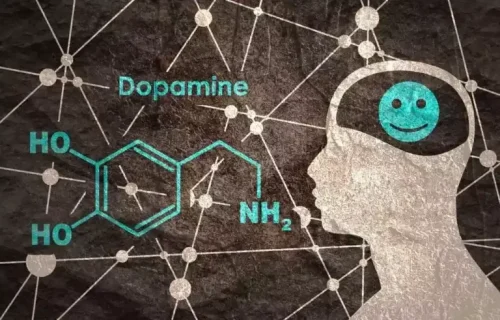
- Alcohol causes the release of dopamine in the ventral tegmental area, which is a part of the reward pathway.
- A systematic review reveals that GLP-1 receptor agonists may help reduce certain substance use disorders, but findings are inconsistent due to study variability and patient differences.
- T-scores are standardized scores that can be compared to the US general population and have a mean QOL score of 50 with a standard deviation of 10.
Current Treatments for AUD
The physical health scores showed little change except for a slight improvement for the PS group from month 6 (48.7) to month 9 (49.6). In the mental health domain, all three groups showed slight improvements in mental health, with more noticeable improvement for the CI (5.9%) and PS groups (4.8%) from baseline to month 12 compared to the SM group (2.6%). Presents the group means of the primary outcomes over time (percentage of heavy drinking days, quality of life-physical health, and quality of life-mental health).
- It may negatively affect your health and work and relationships with family and friends.
- One size does not fit all and a treatment approach that may work for one person may not work for another.
- Other significant fixed effects and pair-wise comparisons were reported.
With that in mind, a large amount of work in my lab in the past 20 years — since I've been a PI — has been focused on studying this neuroendocrine pathways related to the gut-brain axis. For example, we have done work on insulin and leptin, is alcoholism a mental illness primarily; we had done work on ghrelin, and since 2015 on the GLP-1 RAs. One of them is naltrexone, which does give GI symptoms — in particular, nausea and vomiting. The other medication is acamprosate, which does give diarrhea.