
When http://belarustoday.info/index.php?pid=15985 you’re sober, you’ll feel sharper and more alert, and you’ll remember things better. Much of our social behaviors involve the use of substances in one form or another. Even if you’re not an addict, living a sober lifestyle can seem like a difficult feat. Finally, if you’ve tried self-help strategies and find yourself not able to fully quit drinking, it may be time to seek professional help. There’s no one-size-fits-all approach to stopping alcohol use and treating alcohol misuse, but no matter how severe the issue may seem, recovery is possible for every person.
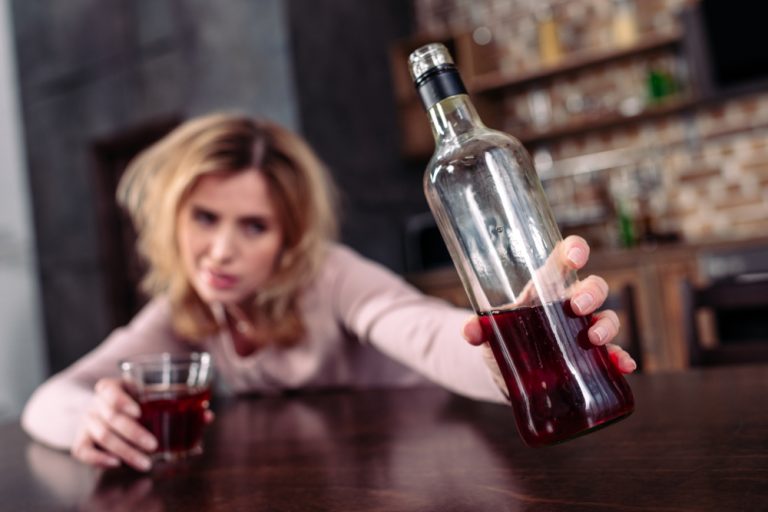
Reasons Being Sober Makes Your Life Better
Gone are the days when seeing a cop car made your heart race, checking if you were over the limit from last night’s drinks. Now, driving by a cop is just part of the scenery, no stress involved. It’s kind of nice not to have that mini panic attack every time you see those flashing lights, even if they’re not for you. Sobriety turns mornings from something you dread into parts of the day you can actually look forward to.
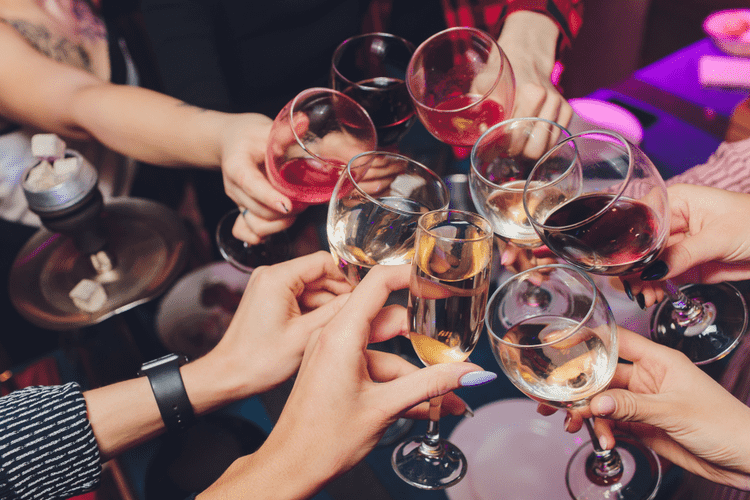
How To Party Sober in 5 Easy Steps
- Cognitive Behavioral Therapy (CBT) and Dialectical Behavior Therapy (DBT) are effective in treating the underlying mental health issues that often accompany addiction.
- Abstinence is often the initial step in addiction recovery programs and is considered a necessary condition for the treatment of many forms of addiction.
- Sobriety, coupled with therapy, addresses the root causes of these conditions.
- The key is to approach these challenges as opportunities for growth.
Drinking alcohol can create problems in every area of life, including your physical health, mental health, social life, work-life, and overall wellbeing. Make a list of the ways drinking has negatively impacted your life. You may want to reflect on this list when you feel cravings to drink. If you or someone you love is struggling with addiction and are ready to live a sober life, contact The Recovery Village. One of our caring intake coordinators will be happy to discuss your specific situation and a comprehensive treatment plan to address both the addiction and any co-occurring mental health disorders.
Stay Sober with Uplift Recovery
She has a Master's degree, undergraduate degrees in English and Sociology, a diploma in Holistic Herbal Therapy, and is trained in mental health first aid, anti-violence work, and peer support work. Relapse (using substances again after stopping) can and does happen, with 85% of people experiencing relapse at least once and half of them doing so within the first two weeks of sobriety. If you’re involved in a 12-step program, you likely already know the importance of milestones. In these programs, it’s customary to receive plastic chips as you progress to the one-year mark, at which time you receive a bronze https://maddy-murk.ru/interesting/buildcraft-1-7-10-recepty-buildcraft-karer-i-burovaya-ustanovka/ coin. Most people who make their way into recovery have left a lot of pain and suffering in their wake.
- Embarking on a journey towards sobriety isn’t just about eliminating substances from your life; it’s about rediscovering who you are without them.
- It might sound counter-intuitive, but drinking or using drugs really isn’t that much fun.
- As previously mentioned, no one treatment is effective for all people.
Waking up without a hangover means you get to start your day feeling good, not trying to piece together the night before or chugging water to battle dehydration. The enjoyment of mornings without hangovers can be one of the first benefits enjoyed, often within the first week of sobriety. This newfound time opens doors to https://yogagorod.ru/esse-o-sporte-na-angliiskom-yazyke-sochinenie-sports-na-angliiskom-s-perevodom/ exploring hobbies, cultivating new skills, and investing in yourself.
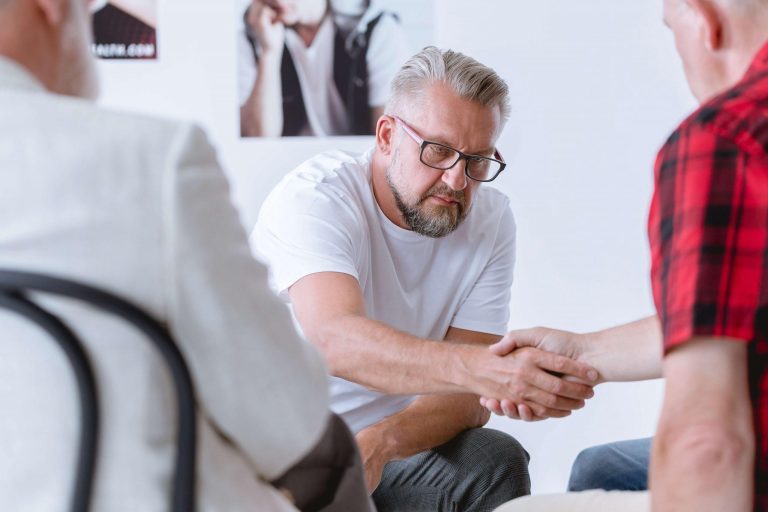
Yes, individuals using Medication-Assisted Treatment (MAT) can be considered sober. MAT is a legitimate medical treatment for addiction, involving medications that help manage cravings and withdrawal symptoms. Sobriety with MAT is about using these medications responsibly as part of a comprehensive treatment plan. Triggers for using drugs and alcohol typically are people, places, and things that remind you of your addictive behavior or encourage the use of substances you’re avoiding.

It’s an opportunity to grow into your bones, and every single crap thing that happens to you on the way only makes you stronger. I don’t have that much sex, and that’s more like me saying, I no longer lower my standards and sleep with just anyone because of beer goggles. There’s no easy pass for me anymore, no more getting drunk and slipping past the part where you get to know each other.
- Whether you’re stating a one-sentence response (“I don’t drink”) or using a small excuse, the only thing to consider is whether you are comfortable, and whether your boundaries are being upheld.
- Or it could be that you’ve developed a physical health problem that you know is probably due to drinking and you want to make positive changes before things get worse.
- I’d argue that many of us gravitated to a group of friends who have drinking habits that align with our own, and we did this because we didn’t want sober friends.
- Whether you losing the booze for Sober October, No Drink November, or Dry January, we salute you!
- It involves developing coping mechanisms to deal with life’s challenges without resorting to substance use.
Rediscovering Life Without Substances
I graduated two weeks after the call with my mom, and I stopped drinking and smoking and went to my first Alcoholics Anonymous meeting on May 12, 1996. I wasn’t sure if I was an alcoholic, but during my teens and twenties my partying ranged from “she’s fun and wild” to self-destructive. And, I was and still am a believer in the adage, If you’re asking yourself if your drinking is problematic, then, at the very least, drinking is probably not serving you. And, if you’re scared shitless that your life won’t make sense if you stop drinking, find a friend to take you to a meeting and/or reach out to a mental health professional.